The 1982 album Elton John wanted nothing to do with: “I absolutely didn’t want to”
The wrong kind of tribute.


Yoko Ono, a groundbreaking and controversial artist, musician, and activist, has left an indelible mark on the world of contemporary art and culture. Born on February 18, 1933, in Tokyo, Japan, Yoko Ono’s life and career have been characterized by her avant-garde artistic vision and her role as a prominent figure in the global peace movement.
Yoko Ono’s early artistic endeavours began in the 1950s when she moved to New York City. Her early work often challenged conventional artistic boundaries and included conceptual pieces, performance art, and experimental music. She gained recognition for her influential 1964 conceptual art book titled ‘Grapefruit,’ which encouraged readers to participate in various artistic and thought-provoking actions.
In the early 1960s, Yoko Ono became associated with the Fluxus art movement, a radical and anti-commercial art collective that embraced intermedia art forms and performance. Her collaboration with artists like John Cage and George Maciunas further solidified her status as an avant-garde artist.
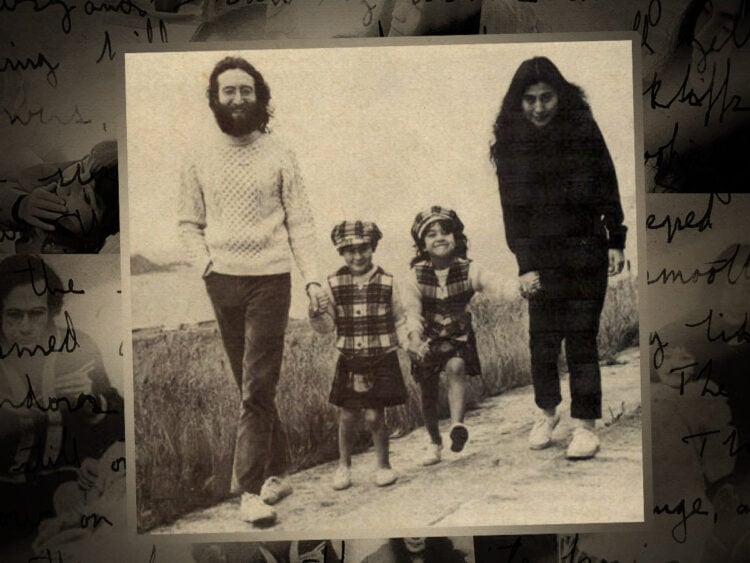
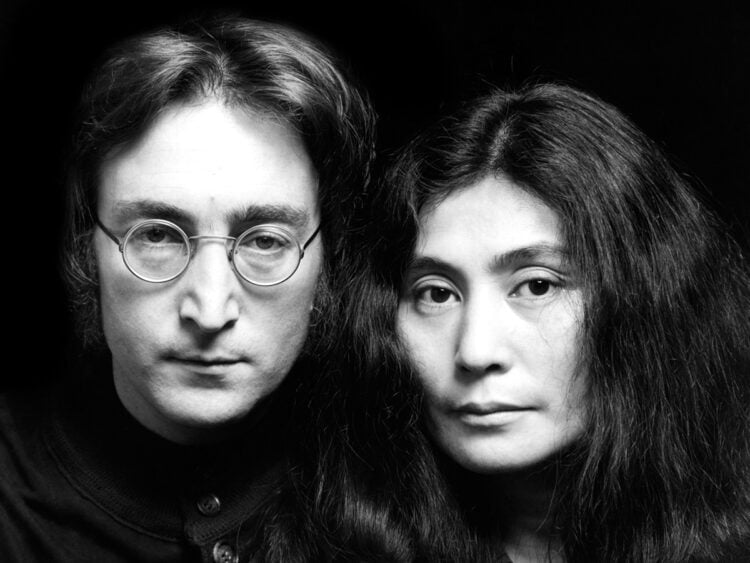
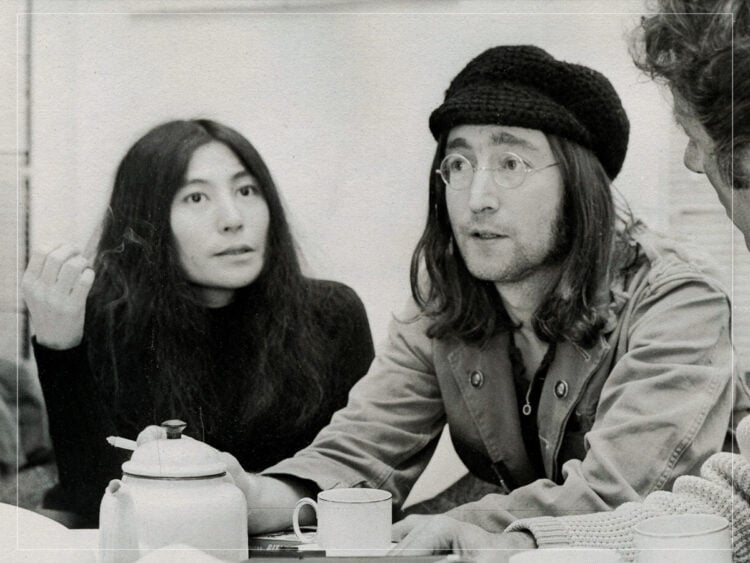
However, it was her relationship with and marriage to John Lennon, a founding member of The Beatles, that brought Yoko Ono into the global spotlight. Their partnership was both creatively and romantically significant, with Ono contributing to Lennon’s solo work, including the influential ‘Imagine’ album in 1971. Together, they embarked on various artistic and activist endeavours, such as their ‘Bed-Ins for Peace’ protests and their ‘War Is Over!’ campaign.
Yoko Ono’s own musical career, marked by her distinctive vocal style and experimental compositions, gained prominence with albums like ‘Fly’ (1971) and ‘Approximately Infinite Universe’ (1973). Her solo work explored themes of feminism, peace, and personal introspection.
Throughout her career, Yoko Ono continued to push artistic boundaries, with notable exhibitions and performances at prestigious institutions like the Museum of Modern Art (MoMA) in New York City. Her work often delved into themes of peace, love, and unity, and she used her art as a platform for activism.
Yoko Ono’s life was marred by personal tragedy, notably the assassination of John Lennon in 1980. Following his death, she remained dedicated to preserving his legacy and continued her artistic and activist pursuits. She also played a crucial role in the establishment of the Strawberry Fields memorial in Central Park, near their former residence, as a tribute to Lennon’s memory.
Yoko Ono’s contributions to the art world have earned her numerous accolades and awards, and she remains a revered and influential figure. Her art challenges the boundaries of conventional thought and has had a profound impact on contemporary art and culture. Beyond her creative endeavours, Yoko Ono’s unwavering commitment to peace and her advocacy for social justice inspires generations of artists and activists worldwide.
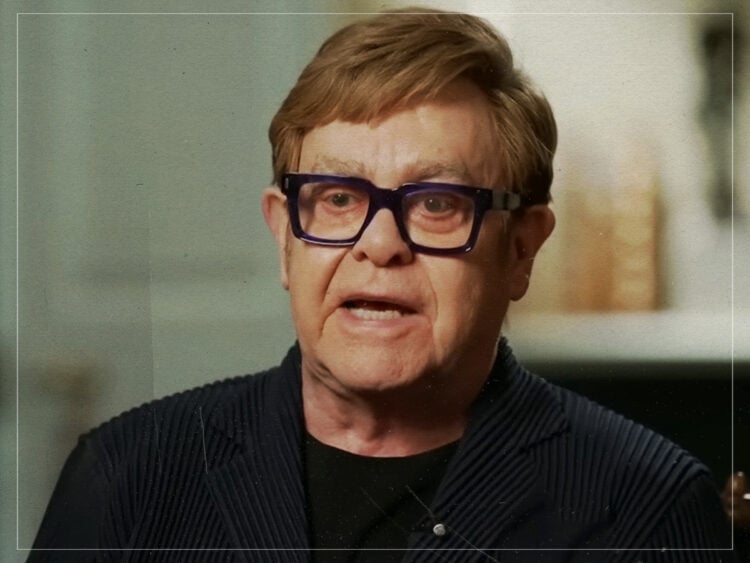
The wrong kind of tribute.
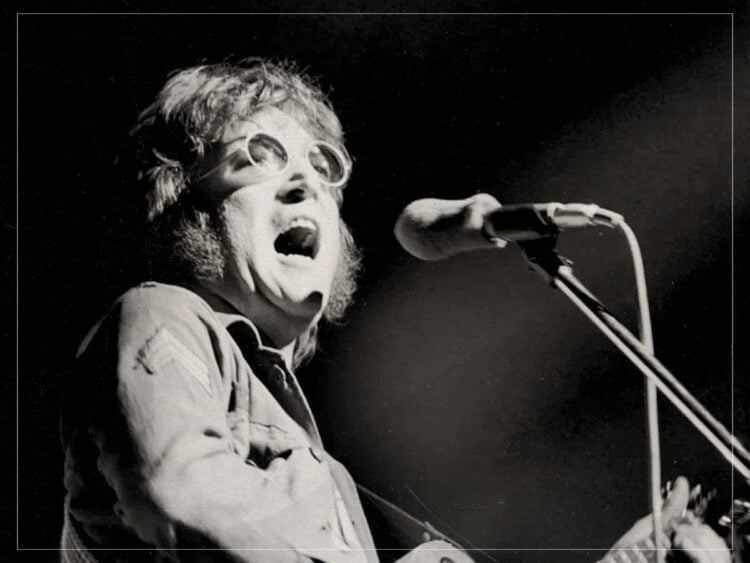
The caustic masterpiece.
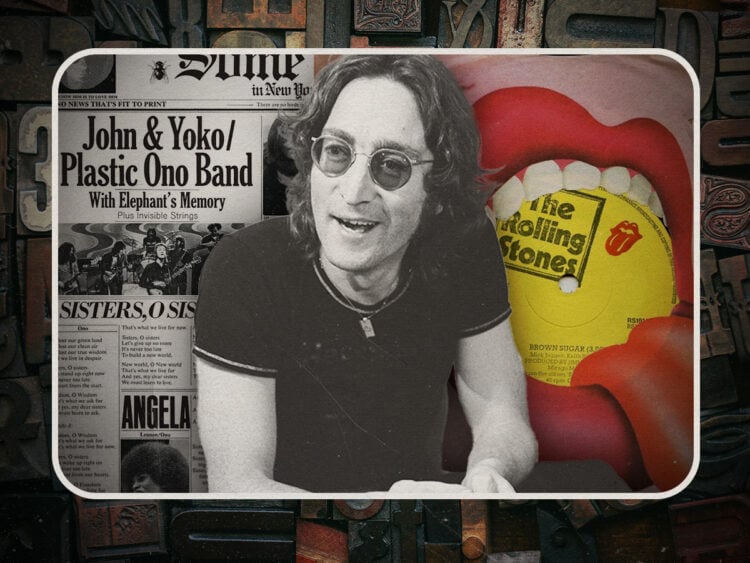

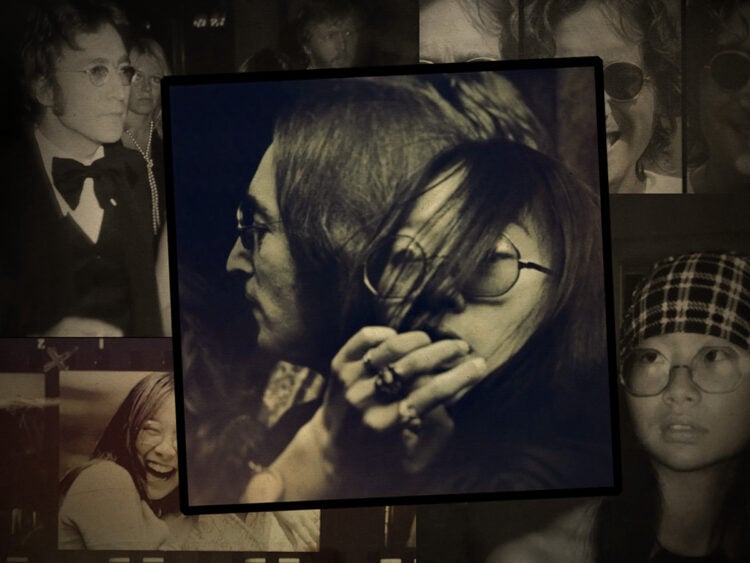
“Tell her that she used to haunt me in my dreams…”
He hopes to have it finished next month.

It will be released on April 29th.