Five classic albums that made absolutely no money
They didn’t resonate at the time.
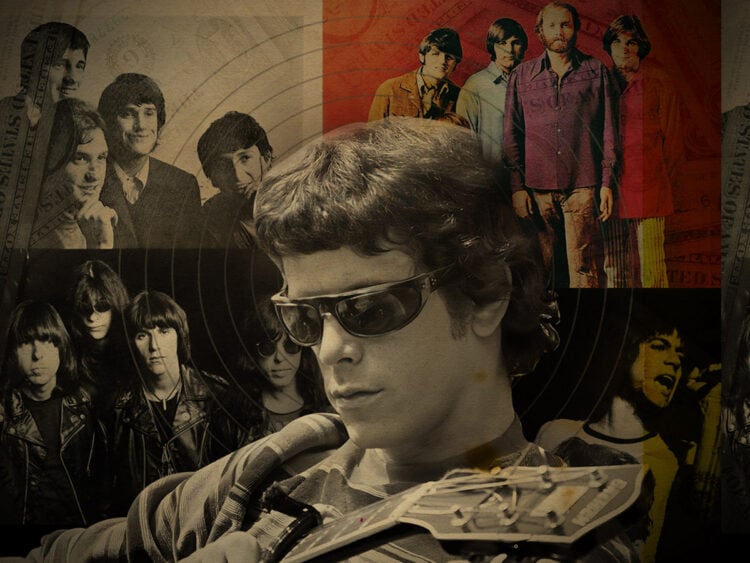
Avant-garde and proto-indie, you might say that The Velvet Underground were ahead of their time, but that would be a misnomer that implies their time has, indeed, since arrived. With the literary iconoclasm of Lou Reed, the baroque wizardry of John Cale, the scrappy punk sound of Sterling Morrison’s guitar, Moe Tucker’s melodic drumming, and the uber-artistry of Nico in the mix, they were fated to be New York arthouse band too ahead of the counterculture curve to ever make it big in their own time.
In 1965, the filmmaker Barbara Rubin dragged her pal Andy Warhol down to the bowels of a New York dive bar to take in a gig. Warhol was instantly captivated by the Downtown band on display. Shortly after, he approached the band and asked if he could manage them. They accepted his offer, and his first move in management was to instate Nico as the lead singer. In an interview a few days later, he announced: “We’re sponsoring a new band. It’s called the Velvet Underground.” His intent with them was “to create the biggest discotheque in the world”.
The band got to work and were quickly assimilated into Warhol’s grand vision of a touring art collective known as The Exploding Plastic Inevitable. This move might not have launched them to greatness but being backed by Warhol meant nobody bothered them, and soon they produced what is now considered of the most seminal records ever made, the band’s self-titled debut. It would be released in March 1967. It flopped. But now, Warhol’s famed banana artwork is everywhere.
The band defined the arthouse Factory scene. Inspired by the likes of Delmore Schwartz and William S. Burroughs, the band weren’t afraid to capture the gritty side of New York and spoke of drug culture long before it was fashionable to do so. Thus, tracks like ‘Roll & Roll’ and ‘I’m Waiting For My Man’ might now be massive, but upon release, they struggled to gain traction.
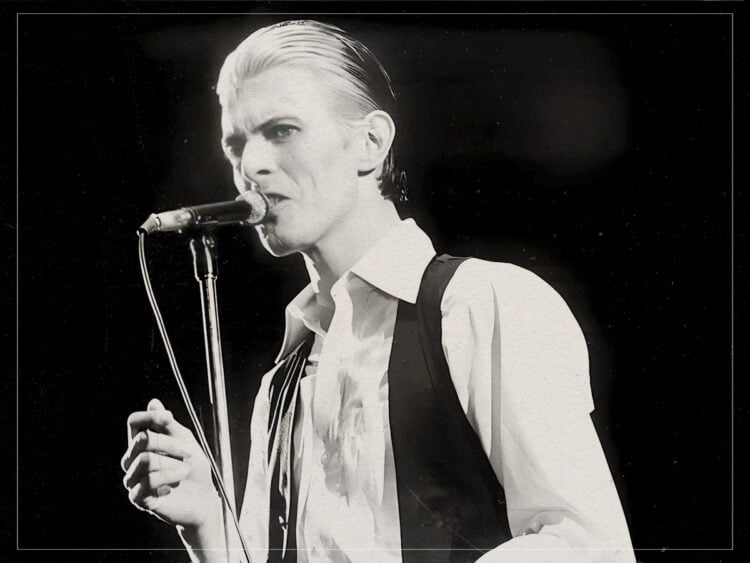
The same can be said for all of their albums; ‘The Velvet Underground & Nico’, ‘White Light/White Heat’, ‘The Velvet Underground’, ‘Loaded’ and ‘Squeeze’. However, they would inspire David Bowie, Brian Eno, Iggy Pop and many others who took up the mantle and continued to march the avant-garde frontier towards the mainstream.
When Reed departed in 1970, the end was neigh for the band. While Doug Yule would prove to be a very successful lead replacement, the lack of success simply meant that all eventually departed by 1973. Nevertheless, they leave a legacy that Eno summarised when he said: “I think everyone who bought one of those 30,000 copies started a band!”
“It’s a very beautiful song”.
A poetic plague was a-coming.
Everything wrapped into one tune.
“And then my mind split open…”