The Cure’s Robert Smith mocks “Gianni Infantosser” and World Cup final half-time show
Smith won’t be watching.


In 1978, The Cure was born in the London satellite town of Crawley. One of the most influential bands of the post-Beatles era started their long odyssey, and it wouldn’t take long for them to rise and hit the heights of their heroes and create an instantly recognisable sound. Formed by the red lipstick donning Robert Smith, The Cure have enjoyed a career of almost mythical proportions, complete with the soaring highs and crushing lows that come as prerequisites for such culturally vital institutions.
Ostensibly pioneers of the post-punk offshoot goth, The Cure’s lengthy discography is so much more than that. Over their long career, they have touched on almost every genre under the sun, ranging from psychedelia to dance, with touches of industrial and metal sprinkled in at different points.
Although The Cure have their roots in a one-off 1973 middle school performance as the group Obelisk, it was in January 1976 when Smith was at St. Wilfrid’s Comprehensive School when things started to take shape properly. His friend, Marc Ceccagno, formed a five-piece rock outfit featuring Smith on guitar, with their other buddy Michael ‘Mick’ Dempsey also on six-string duties. Going by the name of Malice, they performed cuts by their heroes Jimi Hendrix, David Bowie and Alex Harvey before changes in the lineup occurred, which saw Lol Tolhurst, Porl Thompson, and Martin Creasy join the band later that year.
Malice became Easy Cure in 1977 after more changes in sound and lineup; a trend continued until The Cure arrived in their first complete iteration in 1978. As a trio comprised of Smith, Thompson and Dempsey, with the help of Tolhurst, they released their debut album Three Imaginary Boys, in 1979, and the future looked incredibly bright. In October that year, they toured with Siouxsie and the Banshees, which became a pivotal moment in The Cure’s career. After this point, the band went from strength to strength, which came by way of Smith performing with both groups each night after The Banshees’ guitarist John McKay abruptly quit the band.
More changes in the lineup would see bassist Simon Gallup enter the fold, as did the keyboardist Matthieu Hartley. Alterations gave The Cure a certain edge required in the age where post-punk had inspired every artist worth their salt to push the boundaries. They released their atmospheric sophomore album Seventeen Seconds in April 1980, which boasted the single ‘A Forest’, and by the end of the year, like their friends Siouxsie and the Banshees, were hailed as the progenitors of the burgeoning goth movement.
The 1980s proved to be the most fruitful period of The Cure’s career, with them releasing a string of masterpieces that include 1982’s Pornography, 1985’s The Head on the Door, and 1987’s Kiss Me, Kiss Me, Kiss Me.
They closed the book on the era with their chef de oeuvre, 1989’s Disintegration, a narcotic aural experience. The follow-up, 1992’s Wish, would finally see the band take America with cuts such as ‘Friday I’m in Love’ and ‘A Letter to Elise’ in tow, cementing their place as one of the all-time greats.
Smith won’t be watching.
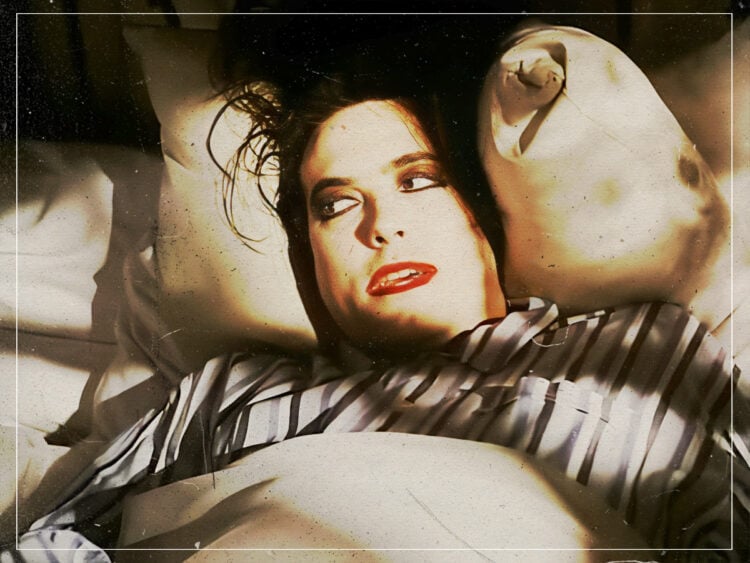
A classic children’s book.
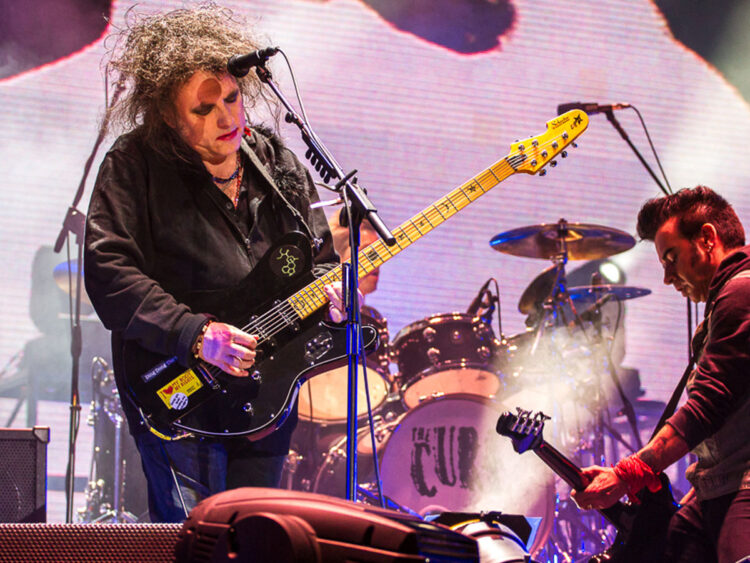

A rare misstep by an otherwise great group.
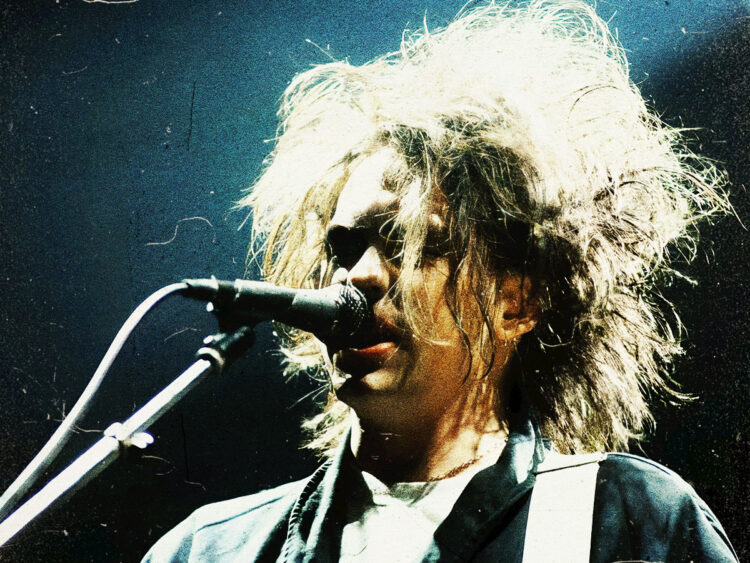
“I was undergoing a lot of mental stress.”
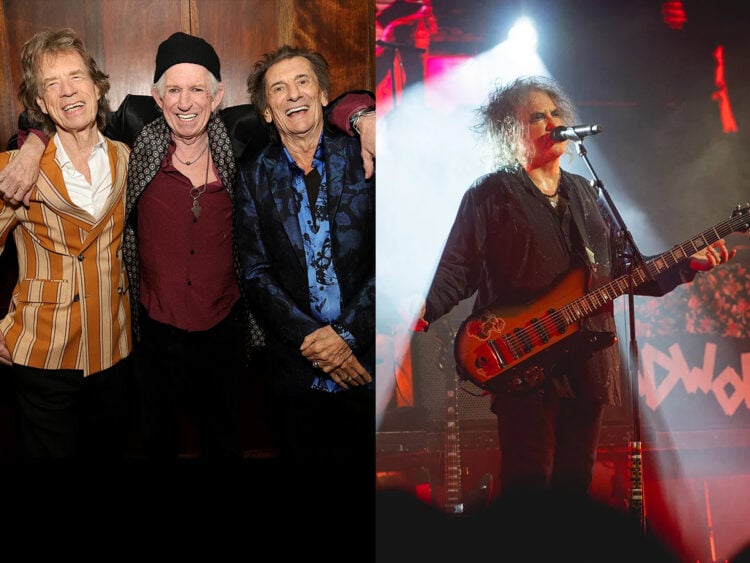
Smith thankfully changed his mind.
Test your knowledge.