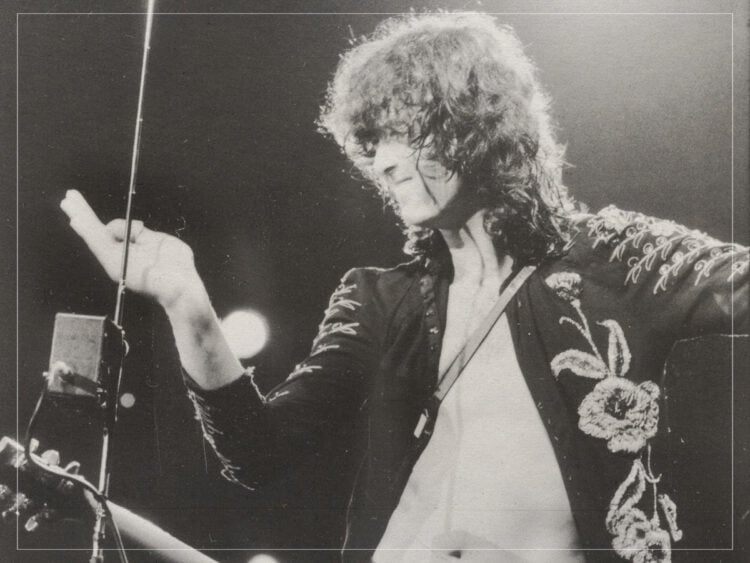
How Joe Walsh saved Led Zeppelin with an act of charity: “The Les Paul he calls Number One”
How very kind.


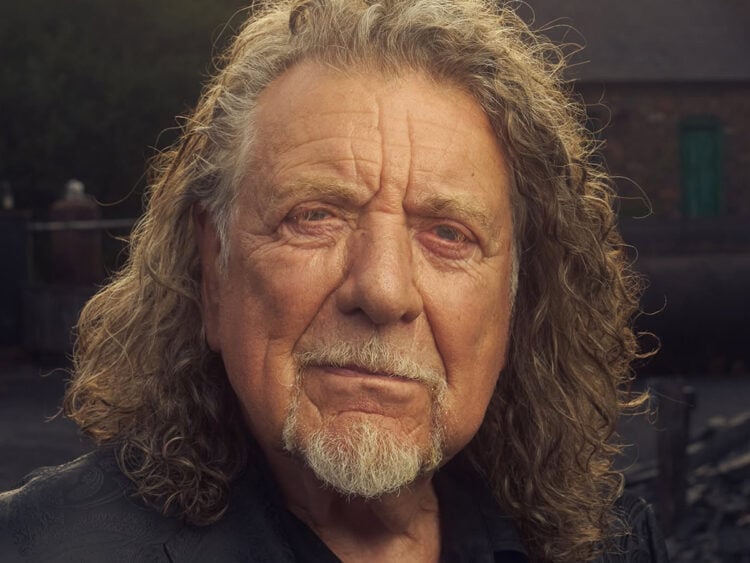
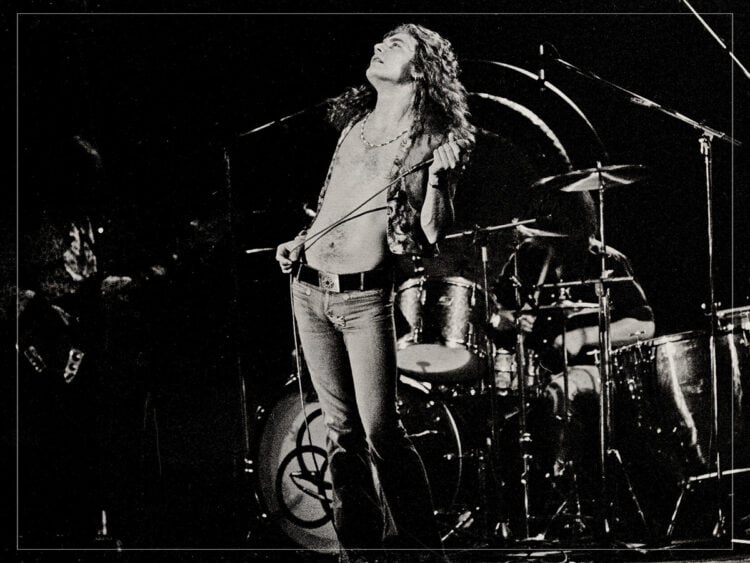
When Robert Plant first broke onto the scene in the late 1960s, the world was caught unaware, and almost overnight, he confirmed himself as one of the greatest vocalists and performers in history.
Born in West Bromwich in the heart of the industrialised West Midlands in 1948, Plant always had a propensity for rock music, and just like many of his age, it was Elvis Presley who set him on his course to becoming one of rock ‘n’ roll’s ultimate figures, as the unapologetic swagger of ‘The King of Rock and Roll’ changed his ten-year-old brain forever, saying: “I always wanted to be… a bit similar to that.”
Plant would create a style so unmistakable that it rivals that of his hero. As a teenager, he became increasingly ingratiated in the blues scene of the West Midlands, developing a love for the form’s definitive heroes such as Robert Johnson, Willie Dixon, Bukka White and Skip James, as well as many others.
Plant left home at 16 and swapped his plans to become a chartered accountant for hitting the big time as a musician and the heights of his heroes. He recalled: “I started my real education musically, moving from group to group, furthering my knowledge of the blues and of other music which had weight and was worth listening to”.
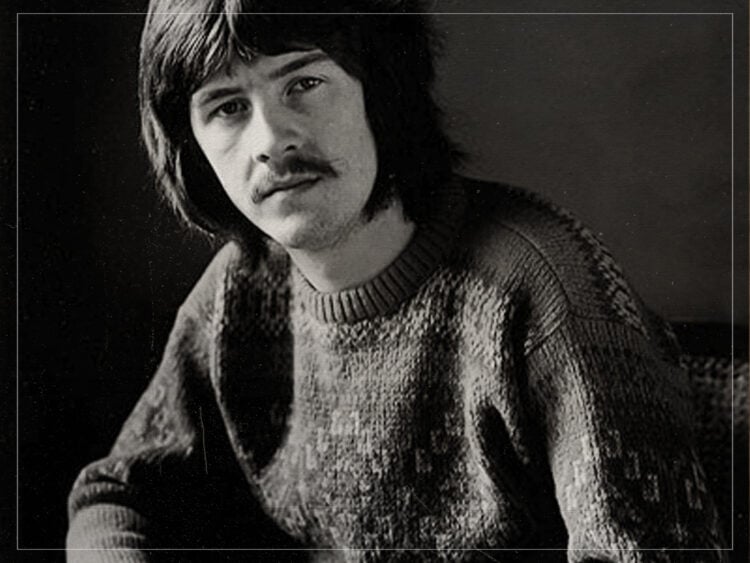
This odyssey of finding himself and developing his art eventually brought him into contact with the drummer John Bonham, with the self-confidence and sense of humour of the Redditch native enough for Plant to be instantly convinced to join forces with him. They both joined the psychedelic blues band The Band of Joy, which would bring them together as best friends and their talents greater exposure outside of the West Midlands.
Running concurrently to Plant and Bonham’s efforts were those of a celebrated London-based guitarist Jimmy Page, who was on the hunt for a new singer after his old outfit, the British Invasion heroes, The Yardbirds, had fallen apart. In 1968, Page was referred to Plant after being turned down by his first choice Terry Reid, and he found his quarry playing a show at a Birmingham teacher training college, where he was singing in his other group Hobbstweedle. Plant sang Jefferson Airplane’s ‘Somebody to Love’, and Page knew he had found his man.
Plant would not embark on this new chapter without Bonham in tow, and after his Band of Joy friend was also enlisted by Page into the ‘New Yardbirds’, the rest was history. They changed their name to Led Zeppelin at the suggestion of The Who’s drummer, Keith Moon, and by the dawn of the 1970s, they had filled the hole left by the demise of The Beatles, eclipsing them in album and ticket sales.
Releasing a myriad of classics from ‘Communication Breakdown’ to ‘Stairway to Heaven’, Plant’s primal howl and penchant for mystical lyrics made him a household name, influencing generations of subsequent frontmen in the process, from Chris Cornell to Jeff Buckley and Jack White.
When Led Zeppelin split in 1980 due to the untimely death of John Bonham, Plant and the rest of the band had already cemented their place in the great pantheon of rock ‘n’ roll heroes, alongside his icons such as Robert Johnson and Elvis. Afterwards, he would continue as a solo artist, exploring music further in a career that is still going strong to this today.

What a great lyric should be.

The first turning point of his career.
The pure swagger in one groove.

Seeing no point anymore.