The 1971 album Nick Cave will remember forever: “It gave me a lot of energy”
Bleak but beautiful.


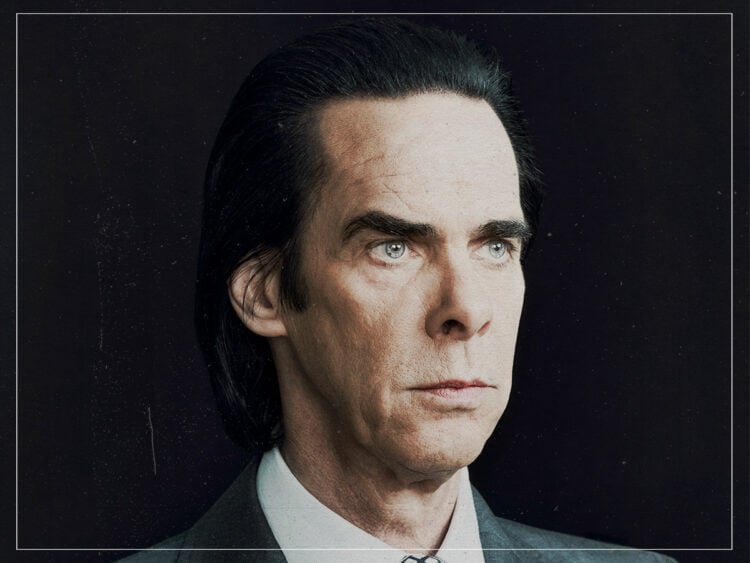
From the musical Molotov cocktail of The Birthday Party to his current guise as a soulful singer of stories of transcendence, Nick Cave has taken his fans on one hell of a journey. The songwriting maestro hailed from the sleepy Australian town of Wangaratta in rural Victoria, and his literary stylings were seeded at an early age when his father read him a beloved passage from Vladimir Nabokov’s novel ‘Lolita’.
This piqued his interest in the arts, which was further fuelled by the likes of Leonard Cohen and Johnny Cash. Thus, he began to view himself as outside the cultural norm. Along with his friends Mick Harvey and Phil Calvert, he formed his first band, The Boys Next Door and began playing covers of Roxy Music, Lou Reed and David Bowie tracks that they could handle.
In due time, this early outfit would get more serious about their music and soon, along with the help of Tracy Pew and Rowland S. Howard, The Birthday Party were born. This snarling outfit mixed wildly colourful prose and biblical overtones with wild post-punk sounds and soon found themselves proclaimed ‘The Most Violent Band in the World’.
This ensured Cave’s outsider status, and when they relocated to London, thanks to their reputation and sorry drug addiction issues, they found that The Fall and The Pop Group were the only bands brave enough to associate with them. This unstable existence eventually forecasted the end, and when their demise was finalised in 1983, it seemed Cave’s days in the arts might be over.
He returned to Australia, and a brief period of obscurity ensued. Harvey would eventually encourage him to get back into the swing of things, and they moved to Berlin, where Nick Cave and the Bad Seeds were born. With Blixa Bargeld in the mix, the sound was spooky and avant-garde but more accessible than Cave’s previous work. They began making waves. As filmmaker Wim Wenders stated: “This bunch of Australians who had landed from a different planet in Berlin.”
Now, with a book under his belt (And The Ass Saw the Angel), Cave established himself as an artist of true originality. Despite band members coming and going from the Bad Seeds, they sustained solid output of superb and varied records. From ‘The Good Son’ to ‘The Boatman’s Call’, these successes were held together by Cave’s singular songwriting.
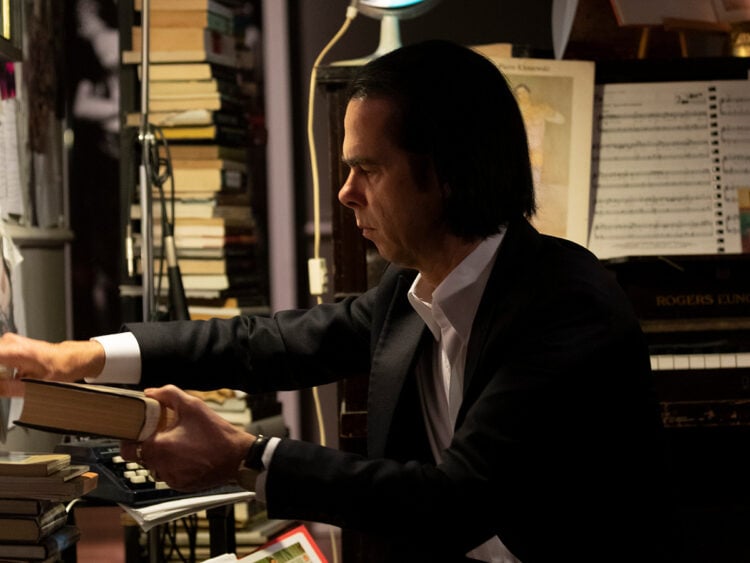
With sobriety and a move to Brighton, England, Cave’s output became more consistent and varied even beyond sound. He has since released albums with Grinderman, various books, film soundtracks and screenplays, been the subject of documentary and concert films, and founded a fan forum website.
As the tragic victim of great grief, his recent output in recent years has focused on transcendence and helping his fans find salvation. With Warren Ellis as his trusty musical companion, his fanbase is only growing thanks to this unbridled profundity as an artist. As Cave proclaims himself: “As human beings we have enormous capabilities that allow us to rise above our suffering – that we are hardwired for transcendence.”
An unexpected rivalry.
An act of divinity and prayer.
“The art world is basically a commerce establishment.”