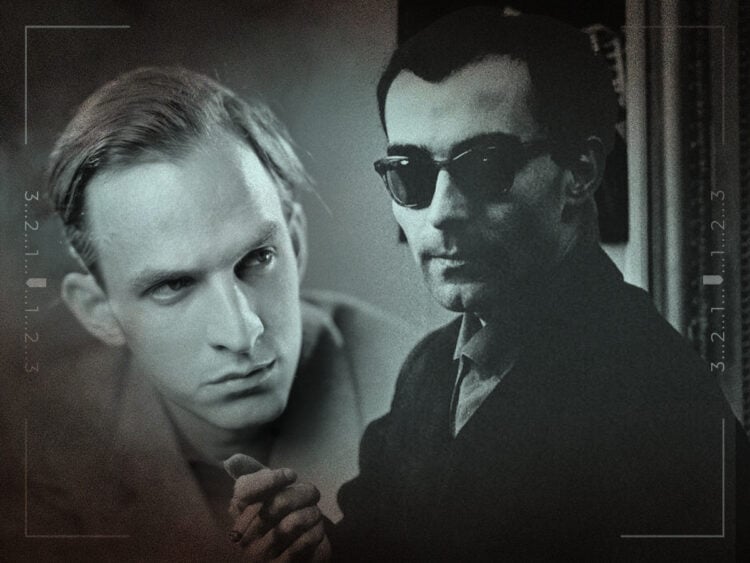
Ingmar Bergman’s scathing take on Jean-Luc Godard: “A fucking bore”
Not impressed.


The cinema of Jean-Luc Godard was never meant for neat boxes and rigid definitions. A true pioneer of the French New Wave, Godard’s approach to filmmaking has inspired several generations of young artists to bend the strict rules in order to create something strikingly original and unabashedly revolutionary.
Born in December of 1930, Godard was the second of four children and was raised in Switzerland, but the family made occasional trips to France. He was only drawn to cinema when he read an essay by André Malraux, and even though he enrolled in an anthropology programme at the Sorbonne, he eventually surrendered to the gravitational pull of Paris’ ciné-clubs and forgot about attending classes.
Along with other revolutionary young artists such as François Truffaut, Jacques Rivette and Claude Chabrol, Godard entered the world of cinema as a critic for Cahiers du cinéma. These young French intellectuals conducted a seminal reconceptualisation of what cinema meant, analysing the history of French and American cinema in order to come up with a cohesive outline of auteur theory.
While many critics are incapable of translating their written ideas into artistic statements, Godard wasn’t one of them. It was evident from his 1960 debut feature – Breathless – that the young radical was ready to take the world by storm. He changed the linguistic operations of cinematic grammar, employing modernist techniques to ask larger questions about the medium.
Over the course of a trailblazing career, Godard worked with many icons such as Jean-Paul Belmondo, Jean Seberg and Brigitte Bardot, but his collaborations with Anna Karina are truly special. That’s part of the reason why his cinematic run in the 1960s, exemplified by masterpieces such as Vivre sa vie and Pierrot le Fou, are the most popular among fans.
However, Godard never shied away from his radicalism and continued to evolve as a filmmaker in the latter half of his career. His last works, such as Goodbye to Language and The Image Book, prove that he was a true master of experimental cinema and one of the last warriors fighting for the survival of the avant-garde in a commercial wasteland.
“I don’t regret it…”
“His films never lulled you into a dream state”.
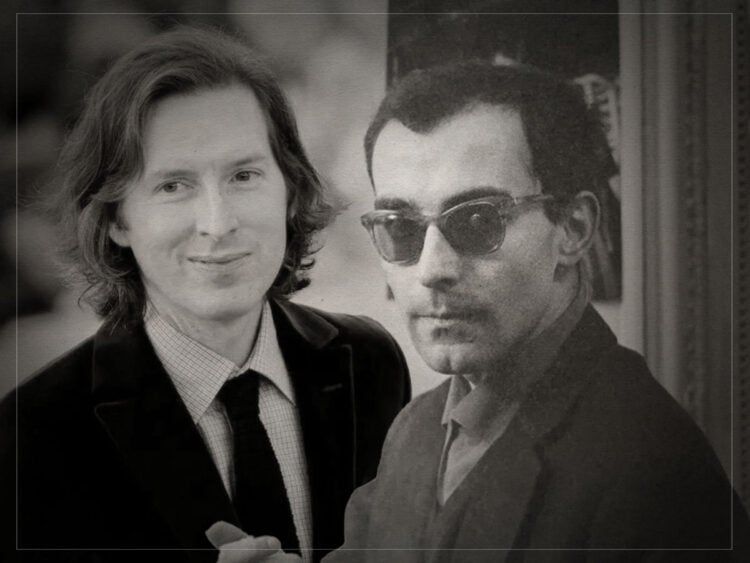

Even he isn’t universally beloved.

When counterculture met nouvelle vague…
An unforgettable film…
The old man was yelling at clouds.