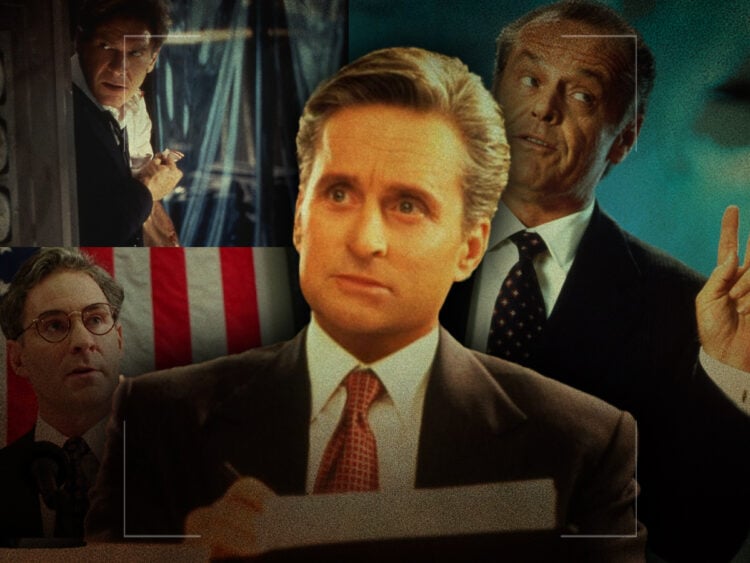
The 10 greatest fictional presidents in Hollywood history
An office with great cinematic potential.

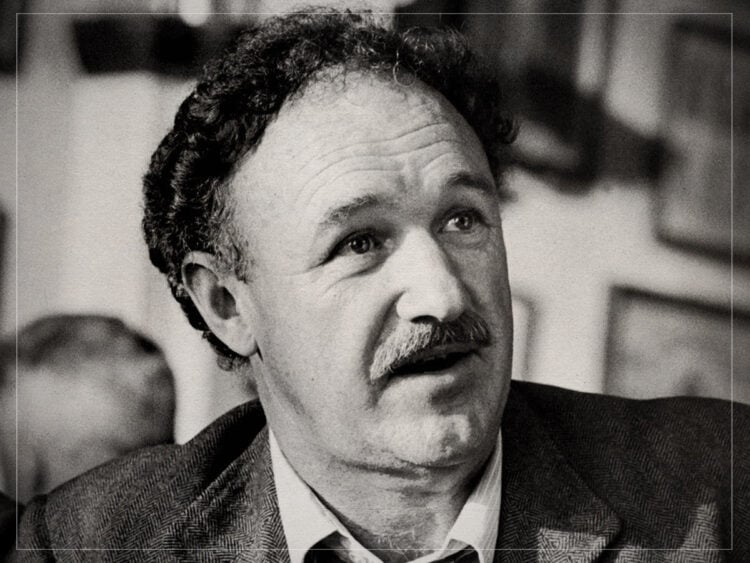
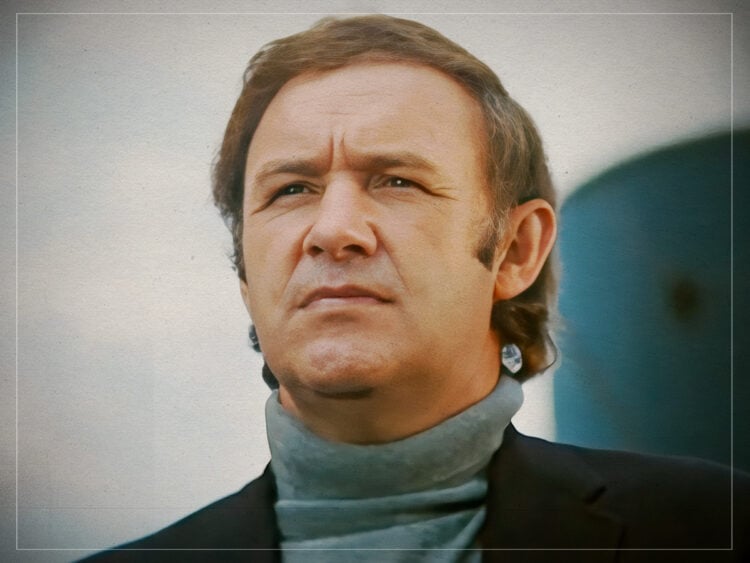
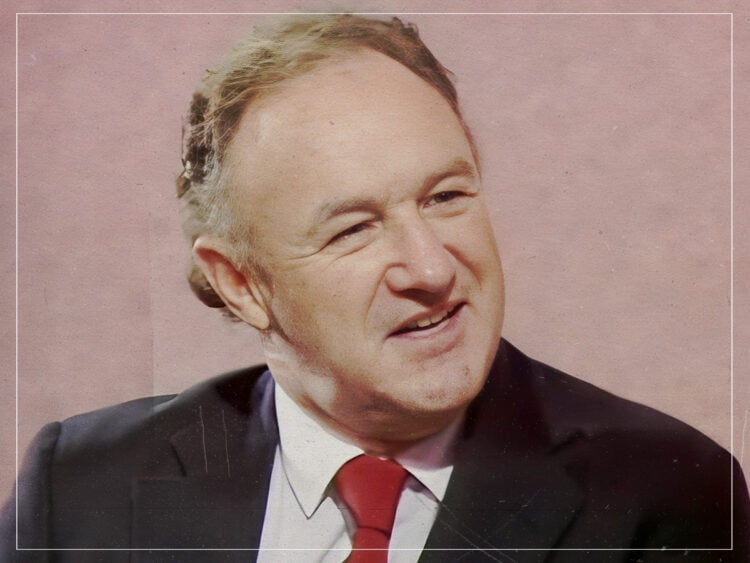
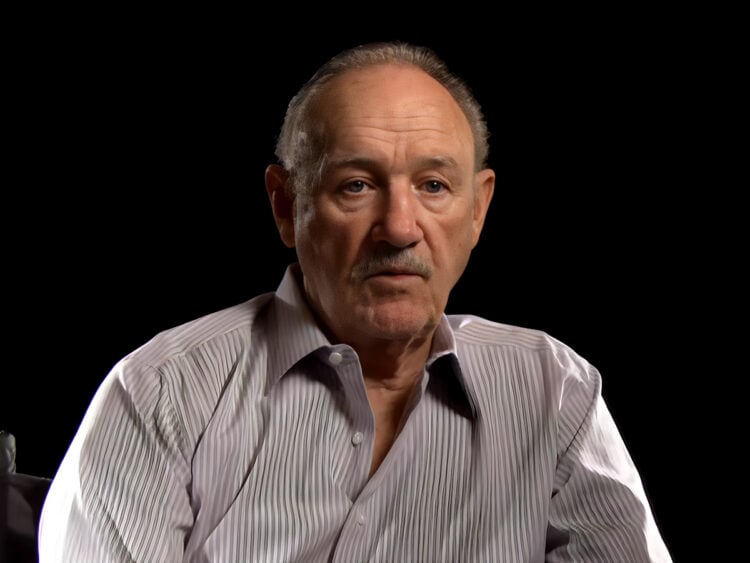
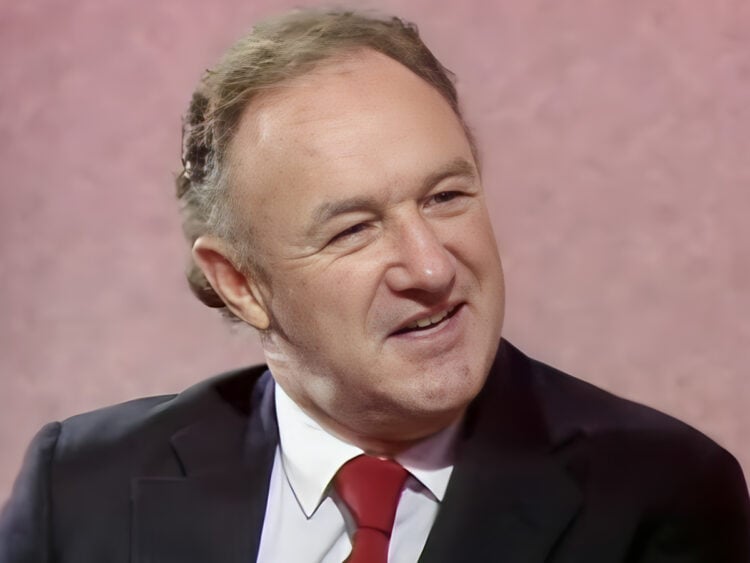
Gene Hackman didn’t look like a movie star. He wasn’t sculpted like Paul Newman, nor did he wield the smouldering charisma of Marlon Brando. But in a career spanning over five decades, he became one of the most magnetic actors to ever grace the screen. Gritty, no-nonsense, and almost allergic to pretension, Hackman wasn’t just believable—he was undeniable.
Born in 1930, Hackman’s formative years did not have a Hollywood glow. Dropping out of high school, he served in the Marines, and, having worked a series of menial jobs, made a deliberate choice to be an actor. Moving to New York in the early 1960s, he was already pushing 30, a late developer in a youth-obsessed profession, he made up in raw talent what he lacked in terms of timing.
Hackman’s breakout finally arrived in Bonnie and Clyde (1967), where he played Buck Barrow with a mix of charm and doomed inevitability. But it was The French Connection (1971) that solidified him as a powerhouse. As Popeye Doyle—grizzled, obsessive, and morally ambiguous—Hackman tore apart the cop-movie archetype, earning his first Academy Award and proving that Hollywood’s leading men didn’t need to be pretty.
Between the 1970s and ‘80s, Hackman traded high-profile fare (Superman, Unforgiven) with virtuosic performances in The Conversation (1974) and Mississippi Burning (1988). He might be a hero (Hoosiers), a villain (The Quick and the Dead), or a character suspended between (Night Moves), always with an authenticity that made audiences forget they were actually watching an actor.
By the ‘90s, Hackman was an institution. The Firm (1993) and Crimson Tide (1995) showed he could still command the screen, while The Royal Tenenbaums (2001) gave him a late-career reinvention as the dysfunctional patriarch, Royal. Then, in 2004, just like that, he walked away. No farewell tour, no cloying nostalgia—just a quiet retirement to write novels and enjoy life.
Gene Hackman did not play Hollywood’s game. He bulldozed over it, rewriting its rules as he went. In a culture that is obsessive about fame, he was a mystery—proof that grit and talent are more valuable than red-carpet headlines.
Nothing seemed to go according to plan.
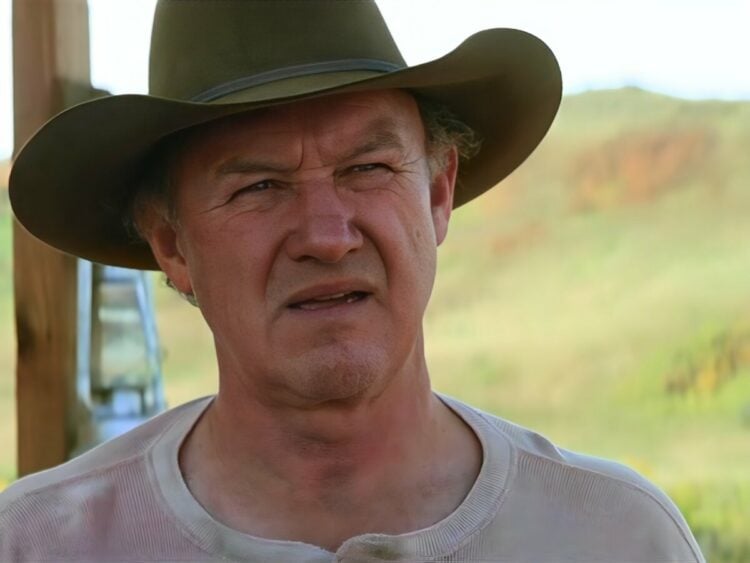
“We kept away from each other, rarely spoke.”
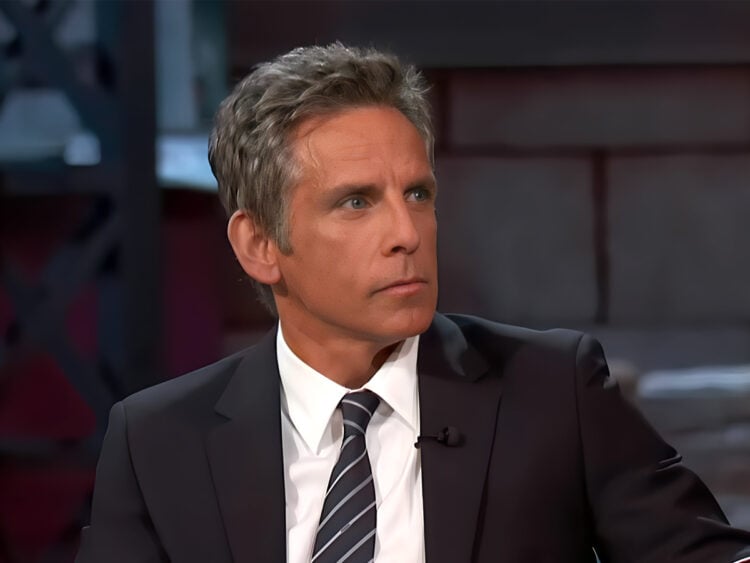
Flopped at the cinemas despite critical acclaim.
A torrid experience.
A rare lowpoint for a legendary actor.
Knew he was one of the all-time Hollywood greats.