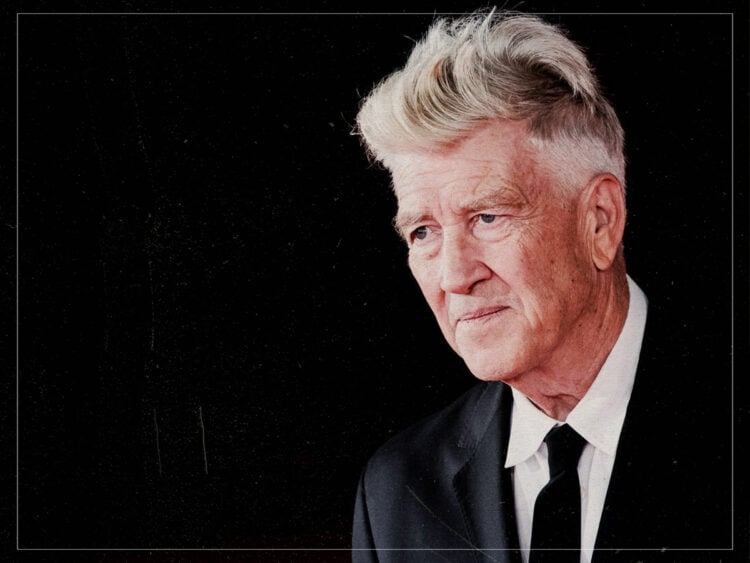
The 1997 role that’s left Matthew Rhys “chasing that feeling ever since”
An early high.


The history of movies is a captivating journey that spans over a century, showcasing the evolution of a powerful art form that has become an integral part of global culture. From the humble beginnings of silent films to the immersive cinematic experiences of today, the history of cinema is a testament to human creativity and technological advancements.
The birth of film can be traced back to the late 19th century when inventors and visionaries like Thomas Edison and the Lumière brothers pioneered the concept of moving images. Through inventions like the kinetoscope and the cinematograph, the first motion pictures were born, capturing everyday scenes, snippets of life, and simple narratives.
The early years of cinema were dominated by silent films, where visual storytelling took precedence over dialogue. Icons like Charlie Chaplin and Buster Keaton brought laughter and pathos to audiences through their physical comedy and expressive performances. Meanwhile, films like D.W. Griffith’s ‘The Birth of a Nation’ showcased the potential of cinema as a medium for storytelling on a grand scale, albeit in highly controversial and problematic circumstances.
The advent of sound in movies in the late 1920s revolutionised the industry, giving birth to the “talkies” and ushering in a new era of storytelling. Films like ‘The Jazz Singer’ marked the beginning of a golden age, where dialogue, music, and synchronised sound added a new dimension to cinematic narratives. Legendary actors such as Marlon Brando, James Dean, and Marilyn Monroe became icons of this era, captivating audiences with their performances.
The development of colour film in the 1930s further enhanced the visual splendour of movies, bringing vibrant hues to the screen. Technological advancements, such as widescreen formats and special effects, continued to push the boundaries of visual storytelling, giving rise to epic films like ‘Gone with the Wind’ and ‘The Wizard of Oz’.
The post-World War II era saw the emergence of influential film movements like Italian Neorealism, French New Wave, and Hollywood’s Golden Age. Filmmakers such as Federico Fellini, Ingmar Bergman, and Alfred Hitchcock brought their unique visions to the screen, exploring complex themes and pushing artistic boundaries.
The 1970s witnessed a revolution in filmmaking, with the rise of independent cinema and the emergence of blockbuster films. Directors like Martin Scorsese, Francis Ford Coppola, and Steven Spielberg broke new ground, captivating audiences with iconic films such as ‘Taxi Driver’, ‘The Godfather’, and ‘Jaws’.
The digital age transformed the landscape of filmmaking, opening up new possibilities for storytelling and visual effects.
Computer-generated imagery (CGI), advanced editing techniques, and the rise of streaming platforms revolutionised film production and distribution, allowing for greater accessibility and diversity in storytelling.
Today, cinema continues to thrive as a powerful medium of artistic expression and entertainment. From thought-provoking dramas to thrilling action films and captivating documentaries, the history of movies showcases the incredible range of stories and emotions that can be brought to life on the silver screen.
The history of movies is a testament to the enduring power of storytelling and the boundless creativity of filmmakers. It is a journey that has captivated audiences, inspired generations, and shaped the cultural fabric of societies worldwide. As technology continues to evolve, the future of movies holds exciting possibilities, promising new narratives, immersive experiences, and groundbreaking artistic achievements.


“Supposed to be a heroic moment.”

A significant change of pace.
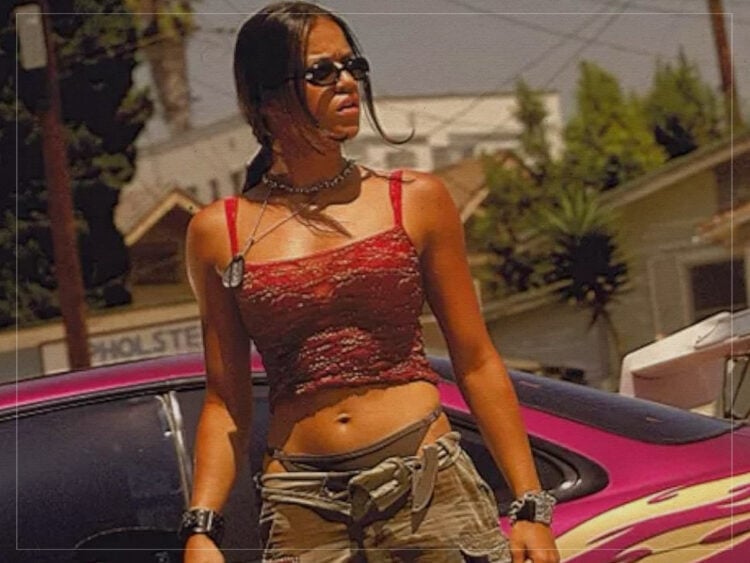




Her experience wasn’t pleasant.

An empowering experience.
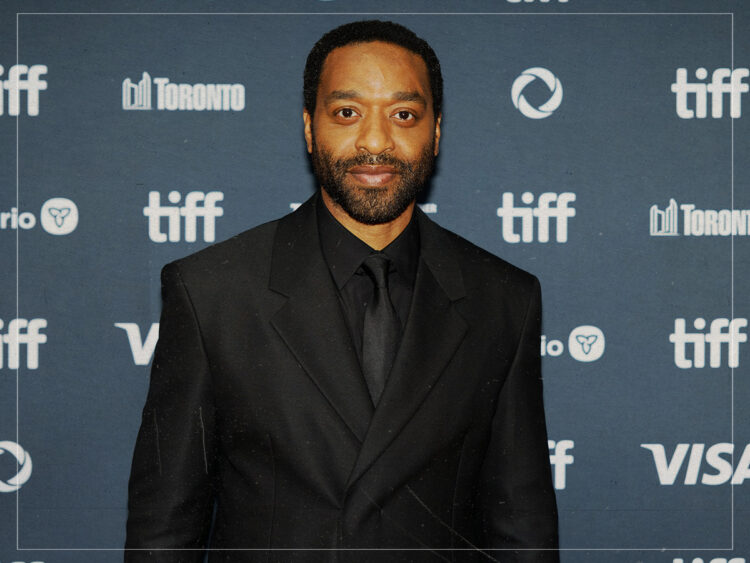
He did a good job, all things considered.

It really wasn’t her fault.