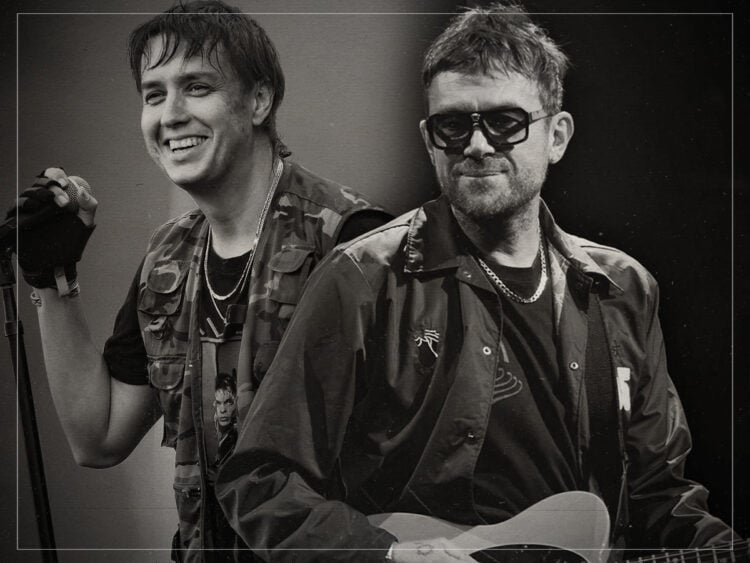
The musicians who helped Damon Albarn survive Britpop hate: “I did get quite upset about it”
Tough times.


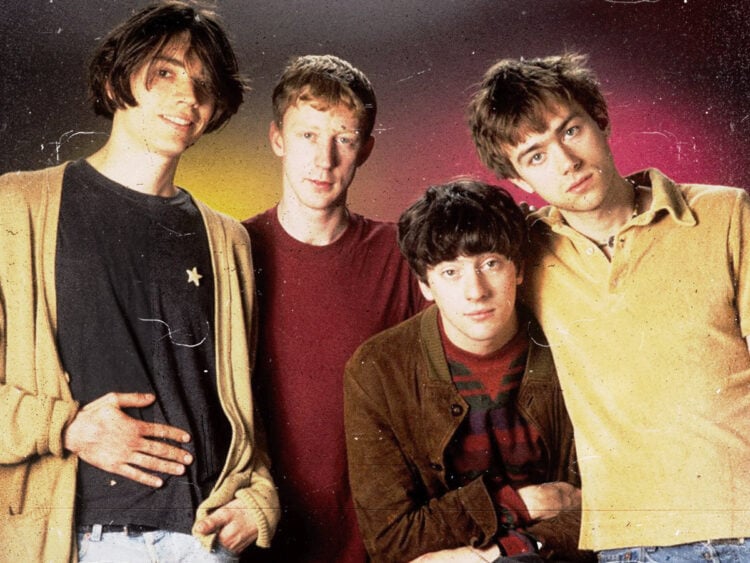
Blur, one of the most influential British bands of the 1990s, emerged as pioneers of the Britpop movement and created a lasting legacy with their innovative sound, clever lyrics, and charismatic frontman, Damon Albarn. Formed in 1988 in London, the band consisted of Damon Albarn (vocals and keyboards), Graham Coxon (guitar and vocals), Alex James (bass), and Dave Rowntree (drums).
In the early years, Blur’s music leaned toward the shoegaze and indie rock styles, but it was with their second album, ‘Modern Life Is Rubbish’ (1993), that they began to define their signature sound. The album was a statement of discontent with the state of British culture and introduced elements of classic British pop, which would later become central to the Britpop movement. Songs like ‘For Tomorrow’ and ‘Chemical World’ showcased their newfound direction.
Blur’s breakthrough came in 1994 with the release of ‘Parklife.’ The album, produced by Stephen Street, featured a blend of catchy melodies, witty lyrics, and distinctive British references. Hits like ‘Girls & Boys,’ ‘Parklife,’ and ‘To the End’ catapulted the band to mainstream success. The album became a defining work of the Britpop genre, alongside Oasis’ ‘Definitely Maybe.’
The rivalry between Blur and Oasis, often dubbed the “Battle of Britpop,” became a defining narrative of the mid-’90s British music scene. Blur’s ‘The Great Escape’ (1995) and Oasis’ ‘(What’s the Story) Morning Glory?’ (1995) were released in close succession, fueling intense competition between the two bands. While Blur’s album featured hits like ‘Country House’ and ‘The Universal,’ it was Oasis who won the sales battle.
However, Blur’s 1997 self-titled album, marked a significant departure from their Britpop roots. With songs like ‘Beetlebum’ and ‘Song 2,’ the album adopted a more experimental and American-influenced sound, showcasing the band’s versatility.
In 1999, Blur released ’13,’ which delved even deeper into experimental territory with songs like ‘Tender’ and ‘Coffee & TV.’ Graham Coxon’s creative contributions to the album were particularly notable, and the album demonstrated the band’s willingness to evolve and challenge their own musical boundaries.
After a hiatus in the early 2000s, Blur reunited in 2009 and released ‘Think Tank,’ an album that continued to explore new musical directions. The band’s ability to reinvent themselves and adapt to changing musical landscapes showcased their enduring relevance.
Blur’s influence on British music cannot be overstated. They not only helped define the Britpop movement but also demonstrated a commitment to musical exploration and innovation. With their diverse discography and Damon Albarn’s continued success in projects like Gorillaz, Blur remains a beloved and influential force in the world of alternative rock.


A new storm is brewing.
An under-appreciated classic…

“I was making a record with David Bowie… But that only lasted 24 hours.”