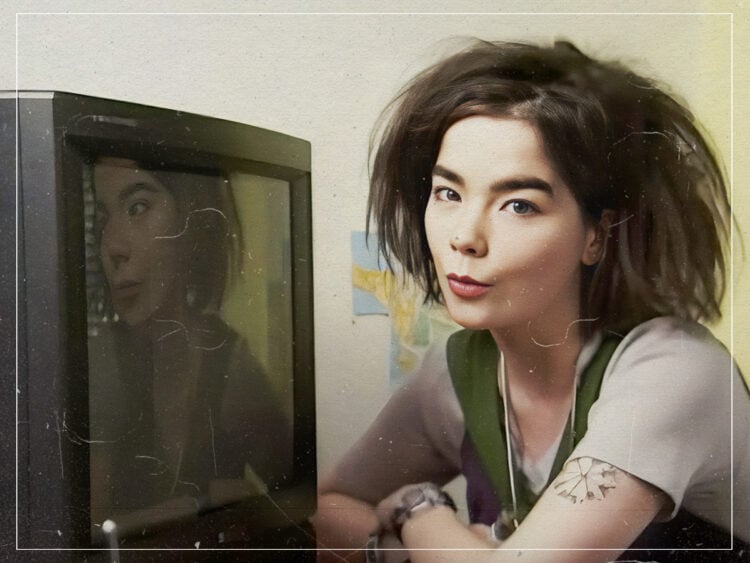
The 1977 album Björk recorded when she was 11
A child star.


In 1965, Björk Guðmundsdóttir was born in Iceland. Ever since the singer was a child, she has been heavily involved in music, releasing her first album when she was just 11 years old. After rejecting the opportunity to record a second album, Björk spent her teenage years playing in punk and goth bands, leading to the formation of The Sugarcubes in 1986. Upon the band’s dissolution in 1992, Björk began making her own solo music.
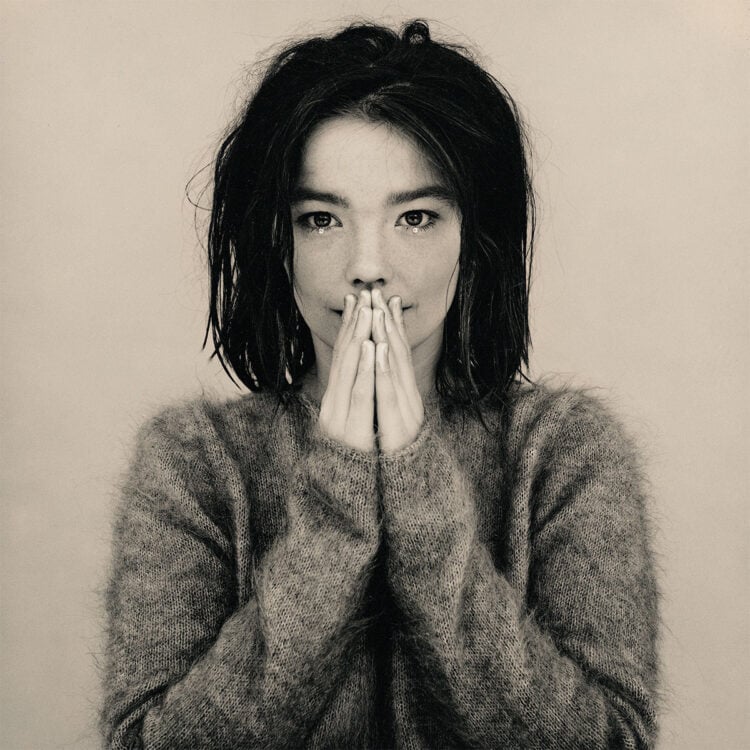
Her first album, ‘Debut’, was released in 1993, containing danceable, house-inspired beats alongside jazz, pop, hip-hop and rock influences. Known for her distinctive voice, Björk has captivated listeners over the last few decades, constantly pushing her vocals into unfounded territory.
She followed ‘Debut’ with ‘Post’ in 1995 before releasing one of her most acclaimed albums, ‘Homogenic’, in 1997. Björk starred as the main character in Lars von Trier’s film ‘Dancer in the Dark’ in 2000, providing the soundtrack album ‘Selmasongs’. This was succeeded by ‘Vespertine’ in 2001, an intimate and vulnerable portrait of romance which was highly praised upon its release.
On 2004’s ‘Medúlla’, Björk experimented with acapella production, with almost all noises on the album coming from human vocals. For ‘Volta’, Björk collaborated with the likes of Timbaland, Mark Bell, Brian Chippendale from Lightning Bolt, and Danja. In 2011, Björk released ‘Biophilia’, which has been described as the world’s first ‘app album’, with every song possessing its own interactive app.
The multi-talented artist, who produces much of her own work, released the heartbreaking ‘Vulnicura’ in 2015 and ‘Utopia’ alongside Arca in 2017. With many of Björk’s releases, accompanying live or remix albums are also available.


“I believe activism is as diverse as humans are.”
Over 400 artists have joined the boycott.